The guide contains practical mushroom knowledge: how to tell edibles from toxic lookalikes, where and when to look, and how to forage safely. Foragers write the articles for other foragers.
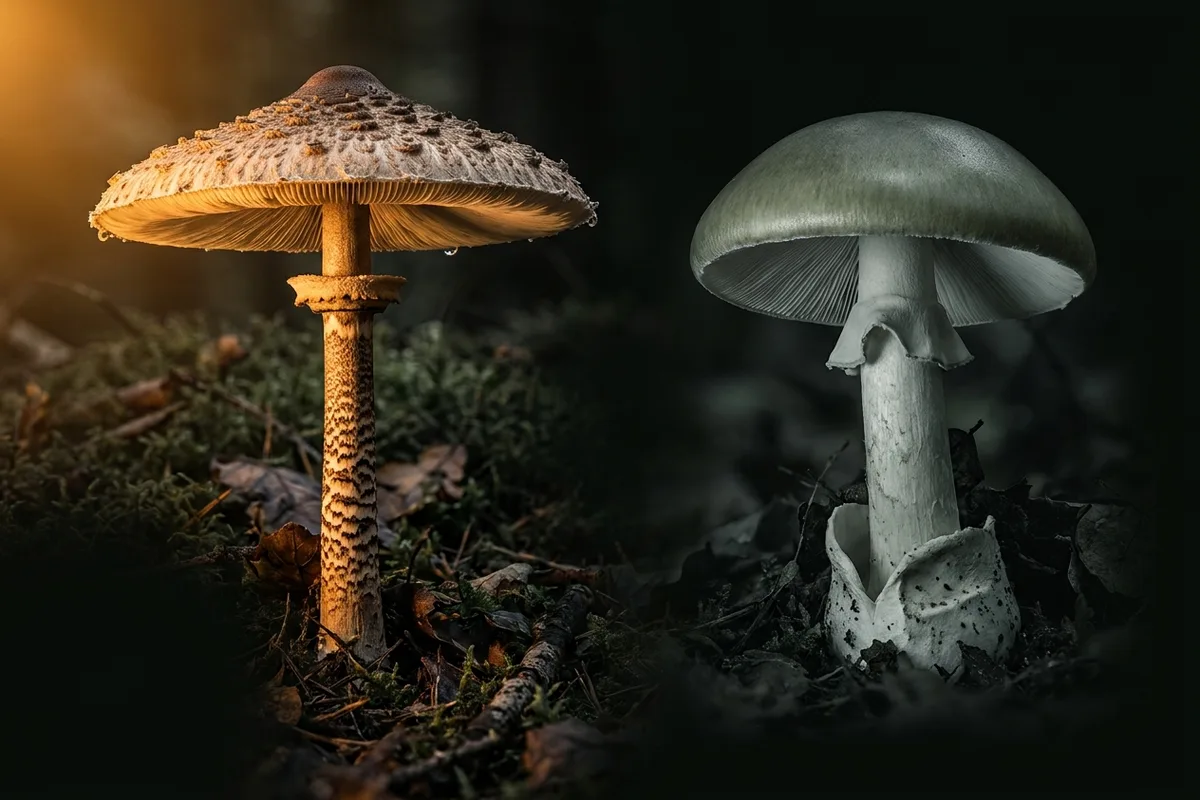
The parasol is a rewarding mushroom for beginners, but confusing it with the death cap can be fatal. You can tell the two apart by four features: the snakeskin pattern on the stem, the movable ring, the volva and the scales on the cap.
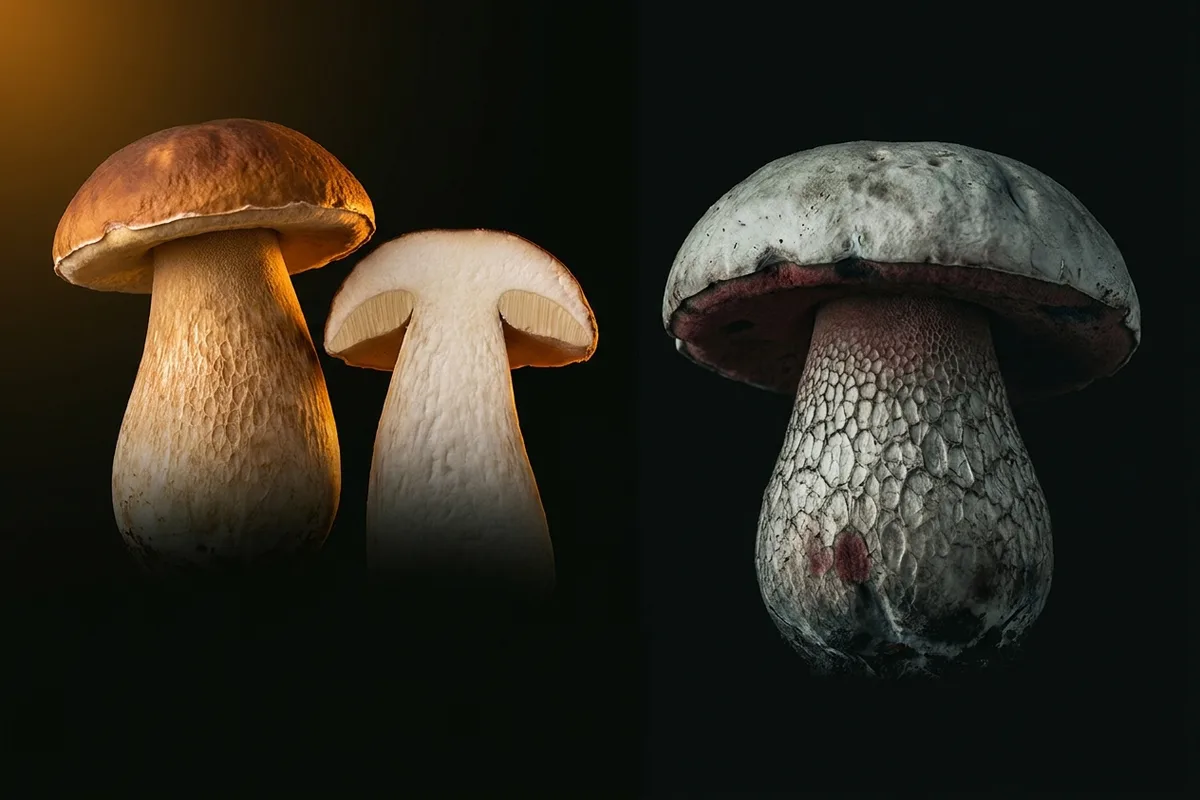
The porcini and the devil’s bolete only look alike from a distance. Up close you can tell them apart by the pore colour, the flesh reaction and the stem. This guide describes the features that settle the question.
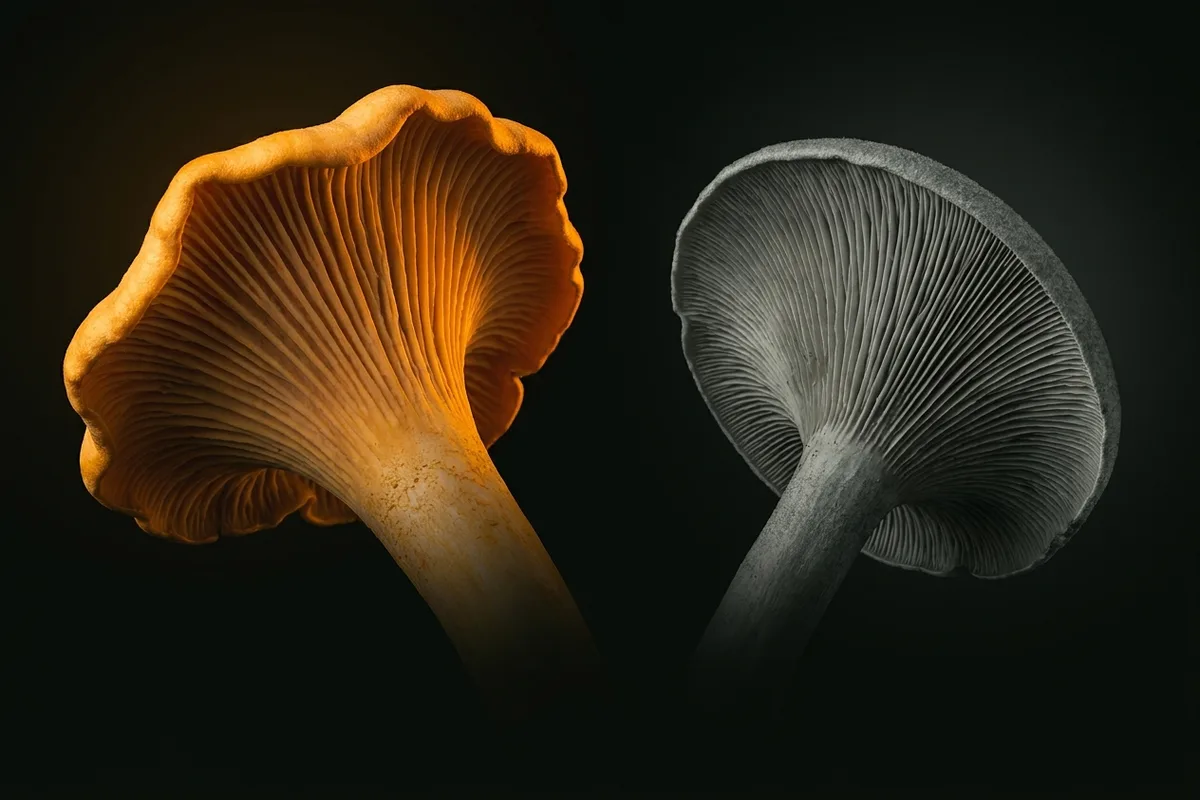
A chanterelle has ridges instead of gills, and the ridges run far down the stem. Neither the false chanterelle nor the toxic jack-o’-lantern has this feature. This guide shows how to check it in the forest.
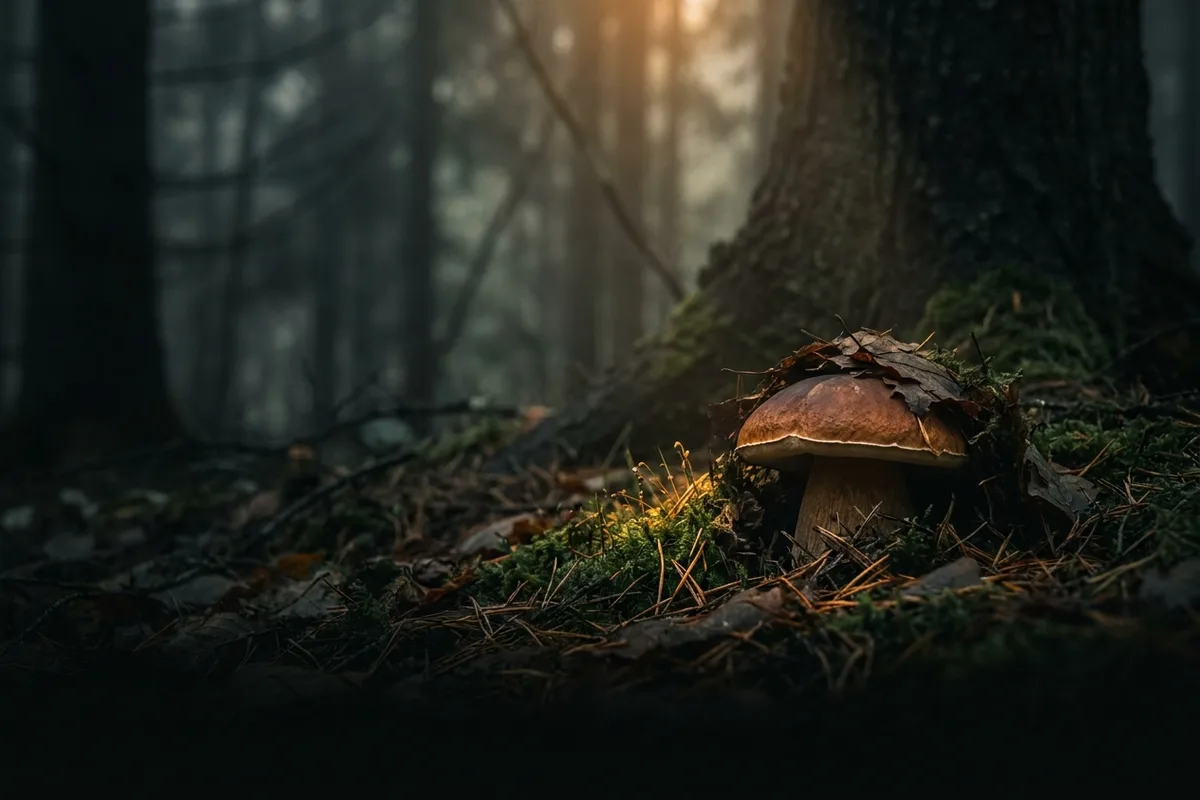
Porcini grow under the right trees when the soil is moist and warm. This guide explains which trees they live with, when to go out after rain and what to look for in the forest litter.
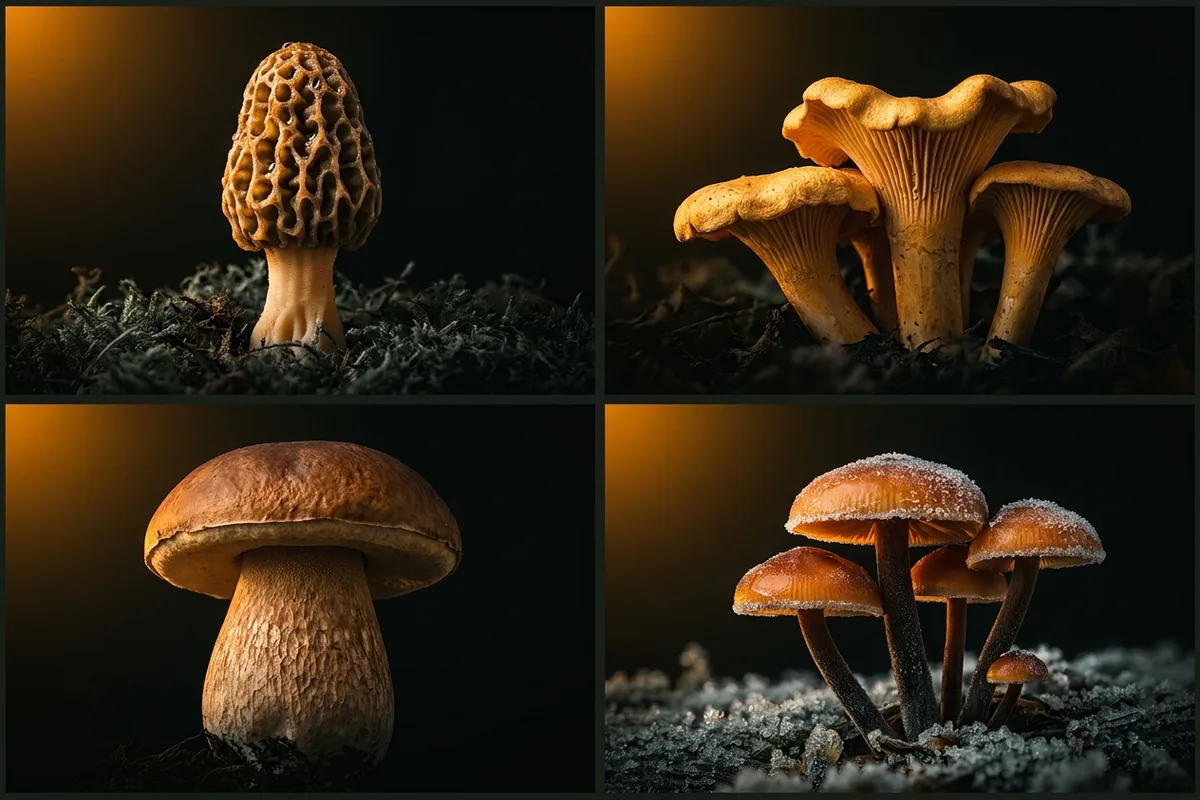
The mushroom season is not limited to September. Morels grow in spring, chanterelles and porcini in summer, honey fungus in autumn and velvet shanks in winter. This guide goes through the year season by season.
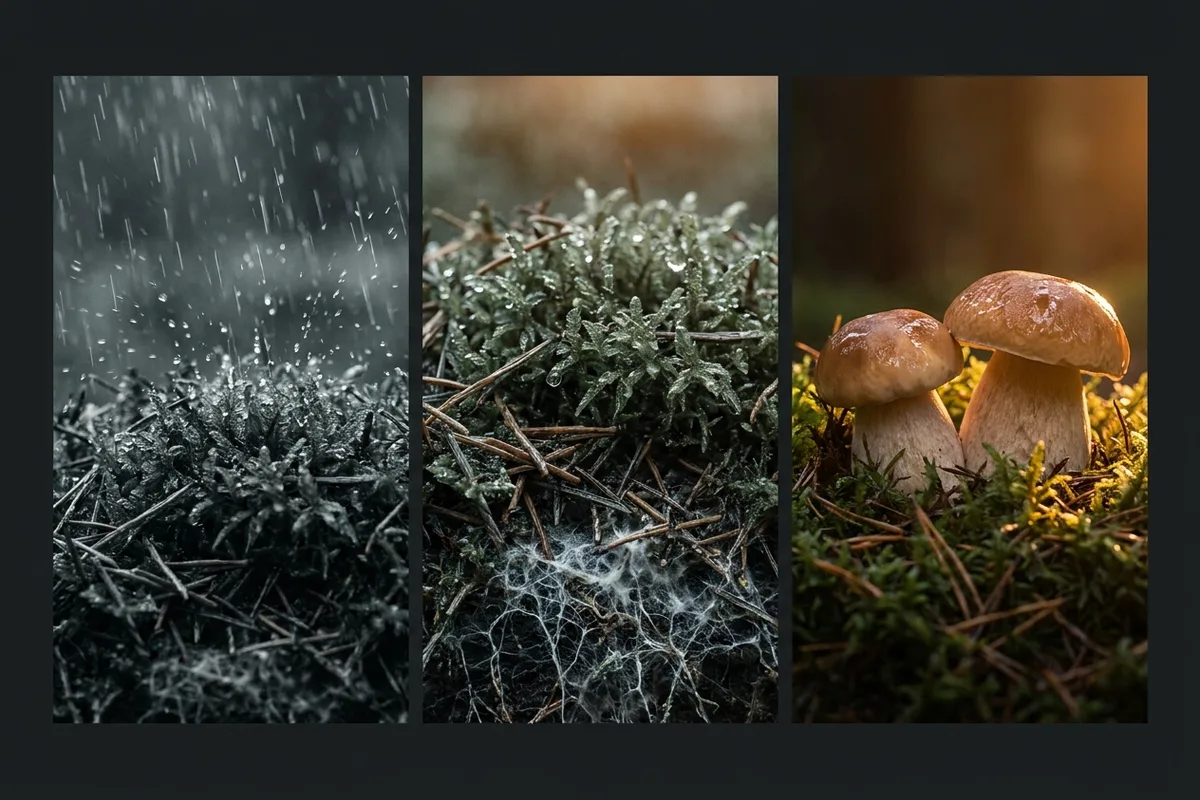
Fruit bodies usually appear one to two weeks after a heavy rain, when it is warm but not hot. This guide explains how the weather of the past days shapes a flush and how to read the conditions index in the Grzybiarz app.
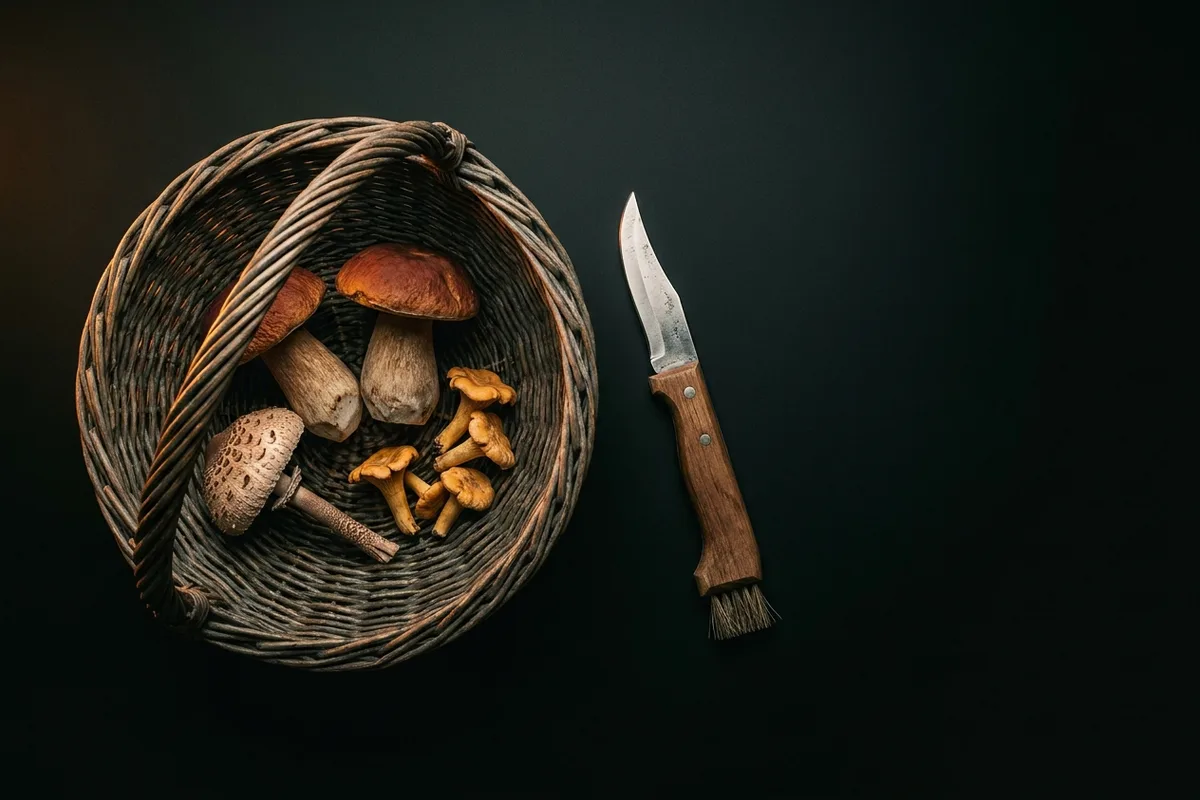
Safe foraging comes down to a few habits: pick only species you are sure of, get to know the whole mushroom and trust knowledge over myths. This article explains seven such rules.
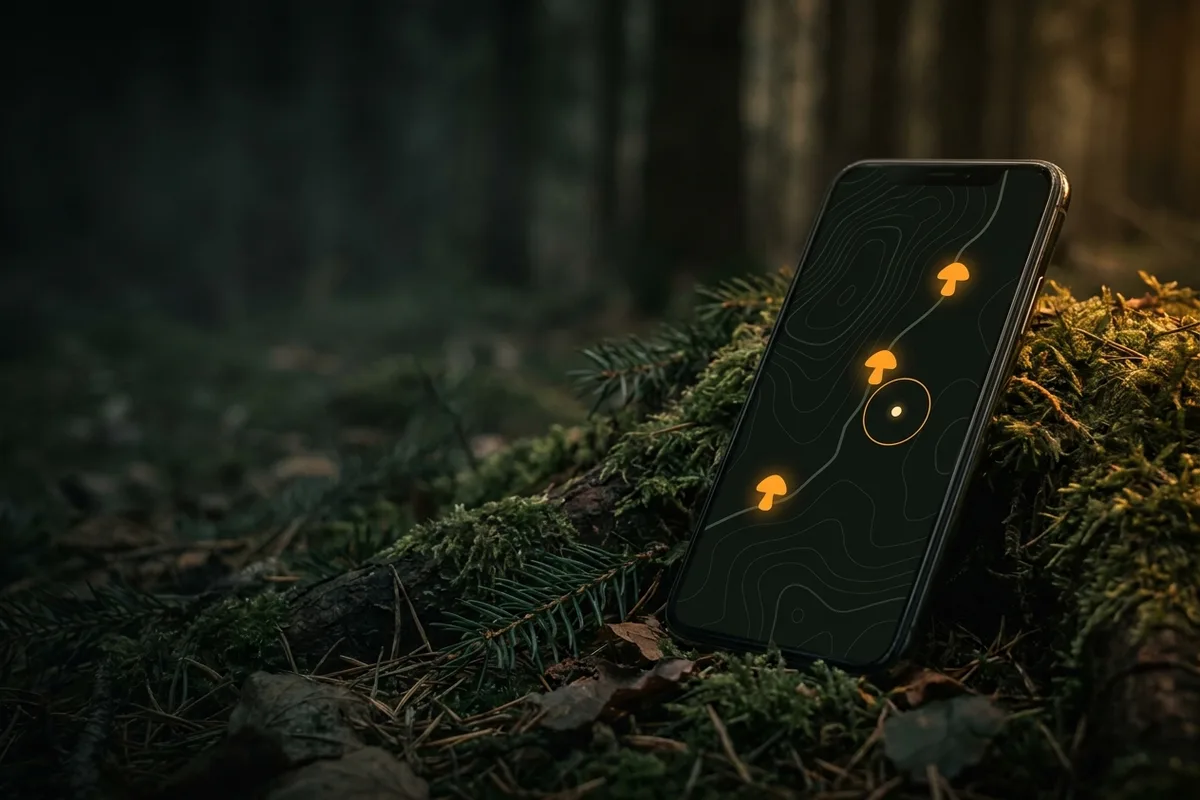
Forest Hunt is the field game inside the Grzybiarz app. Virtual specimens stand in real woodland and in city parks, and catching one means naming the species. This article explains how the quiz, the Mushroom index, the mycelium, flushes, the leaderboard, seasons and playing with friends work.